Ethier Flow
This case is adopted from the nontrivial exact solution of the three-dimensional incompressible Navier–Stokes equations developed by Ethier and Steinman (Ethier and Steinman, 1994) for benchmarking incompressible Computational Fluid Dynamics (CFD) solvers. The Ethier solution is also used to verify the passive scalar solvers in NekRS. This is accomplished by selecting the -component of the velocity field as the transported passive scalar and using the pressure term from the momentum equation as its source term, making the passive scalar transport equation identical to the -momentum equation. Because the analytical solution is known throughout the domain and for all times, both the incompressible flow and passive scalar solvers can be verified using only a few time steps, minimizing the computational cost of the tests. Consequently, the ethier case verifies several NekRS capabilities through multiple different tests and solver modes.
Computational domain
The problem is solved in the cubic domain
(1)Dirichlet boundary conditions obtained from the analytical solution are imposed for the velocity field. Dirichlet and Neumann boundary conditions are imposed for the passive scalars and , respectively.
Analytical solution
The analytical velocity and pressure fields of Ethier and Steinman (Ethier and Steinman, 1994) are
(2)where and are user-specified parameters, are the spatial coordinates, are the velocity components, is the pressure, and is time. For the passive scalar verification tests, the transported analytical variable is the -component of velocity, .
Verification criteria
The solution fields evaluated are
(3)corresponding to the -velocity, pressure, and two passive scalar fields. For each evaluated field, the volume-integrated error norm is
(4)The error norms are evaluated using multiple polynomial orders . The results demonstrate spectral convergence as the polynomial order increases, confirming the accuracy and consistency of the flow and passive scalar solvers. The tests also monitor the numbers of iterations required for convergence of the velocity, pressure, and passive scalar solvers. The specific NekRS capabilities verified by each test are described below. The tests are organized into different solver modes as follows:
Mode 2
This solver mode verifies:
Incompressible Navier–Stokes and passive scalar solvers.
Block velocity solver.
Characteristic subcycling.
Errors are evaluated at and are shown in Figure 1.
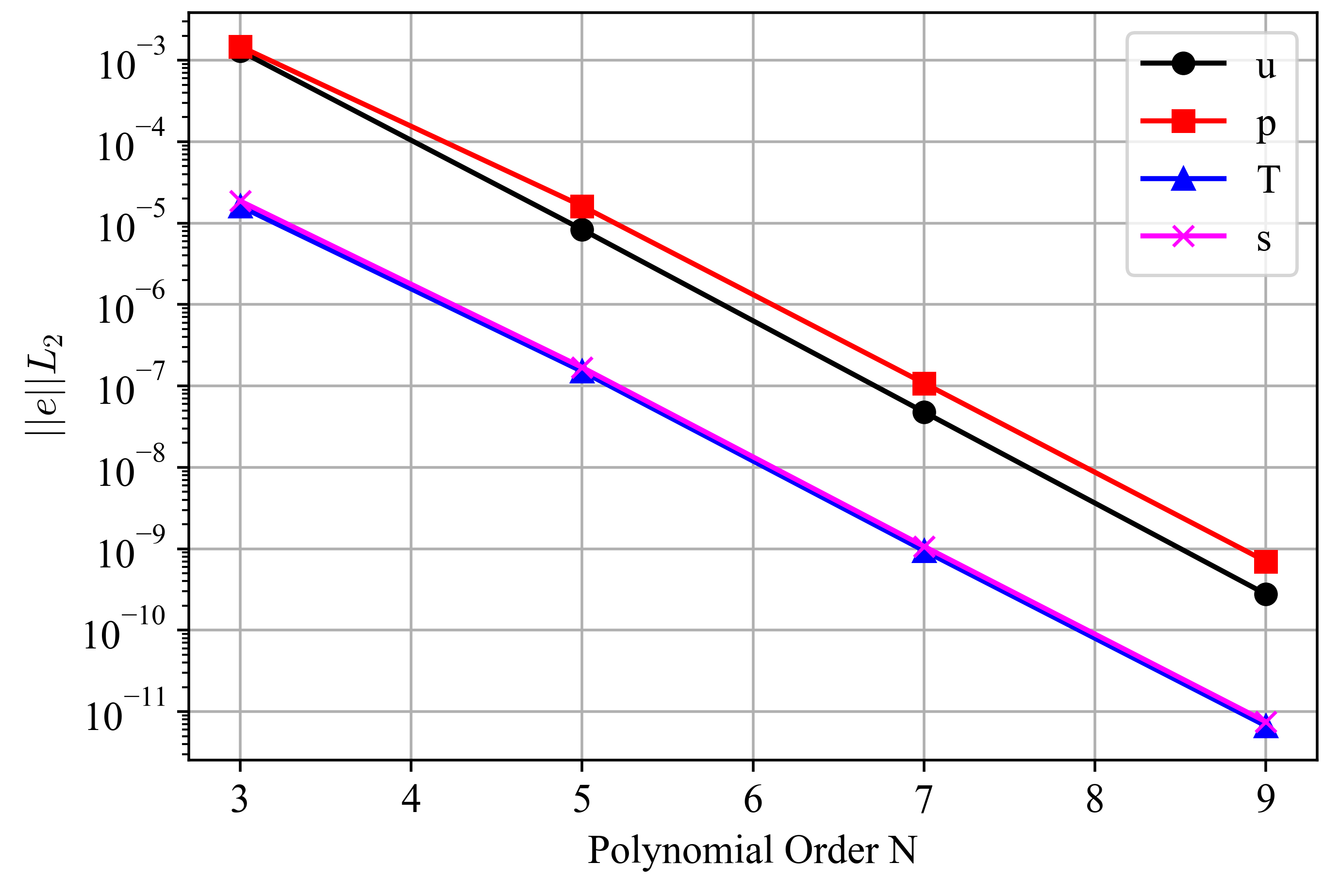
Figure 1: error norms for the ethier case using solver mode 2.
Mode 3
This solver mode verifies:
Velocity and pressure projection.
SEMFEM (low-order finite element) pressure preconditioner.
Errors are evaluated at and are shown in Figure 2.
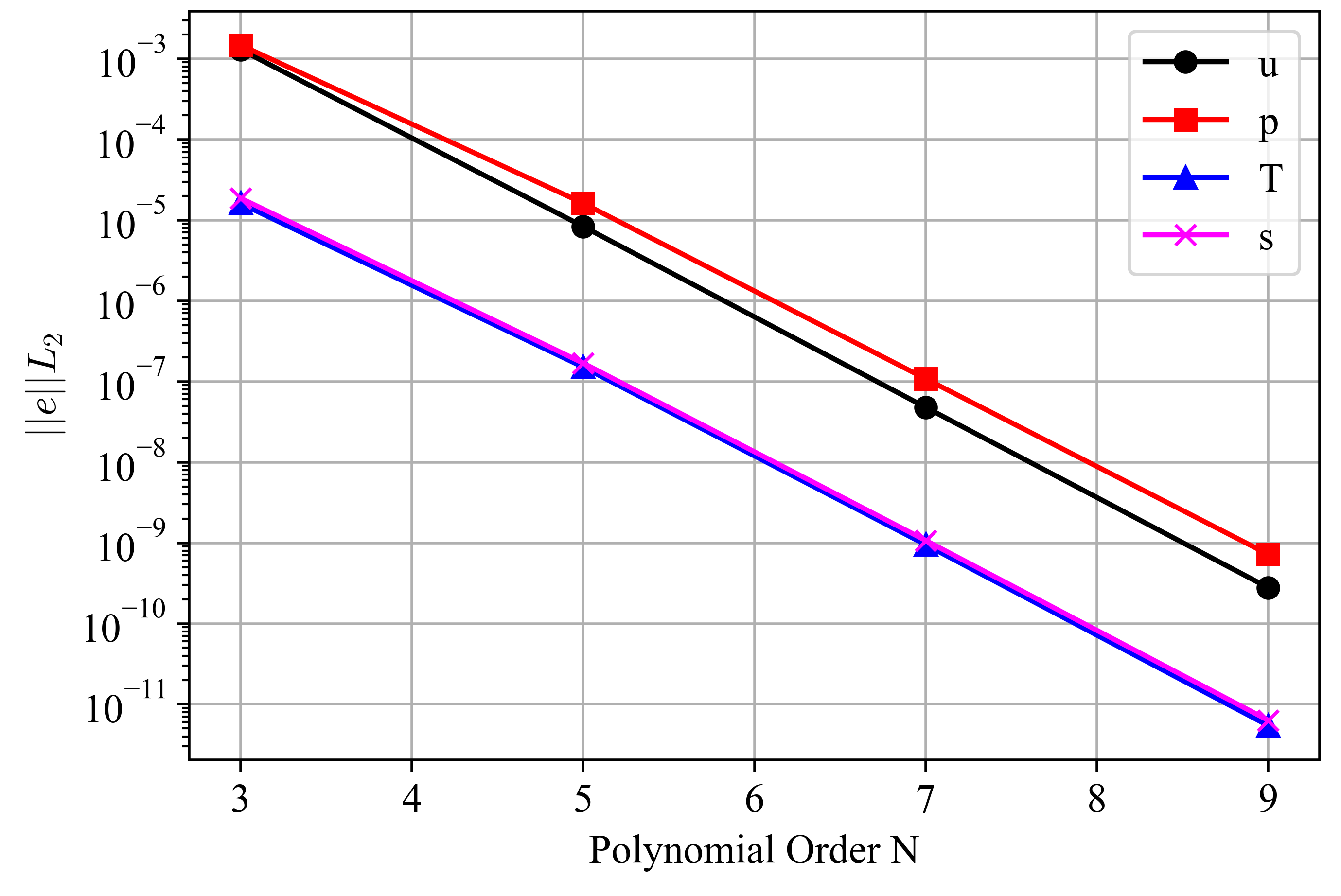
Figure 2: error norms for the ethier case using solver mode 3.
Mode 4
This solver mode verifies:
Incompressible Navier–Stokes and passive scalar solvers.
Block velocity solver.
Characteristic subcycling.
Velocity and pressure projection.
Errors are evaluated at and are shown in Figure 3.
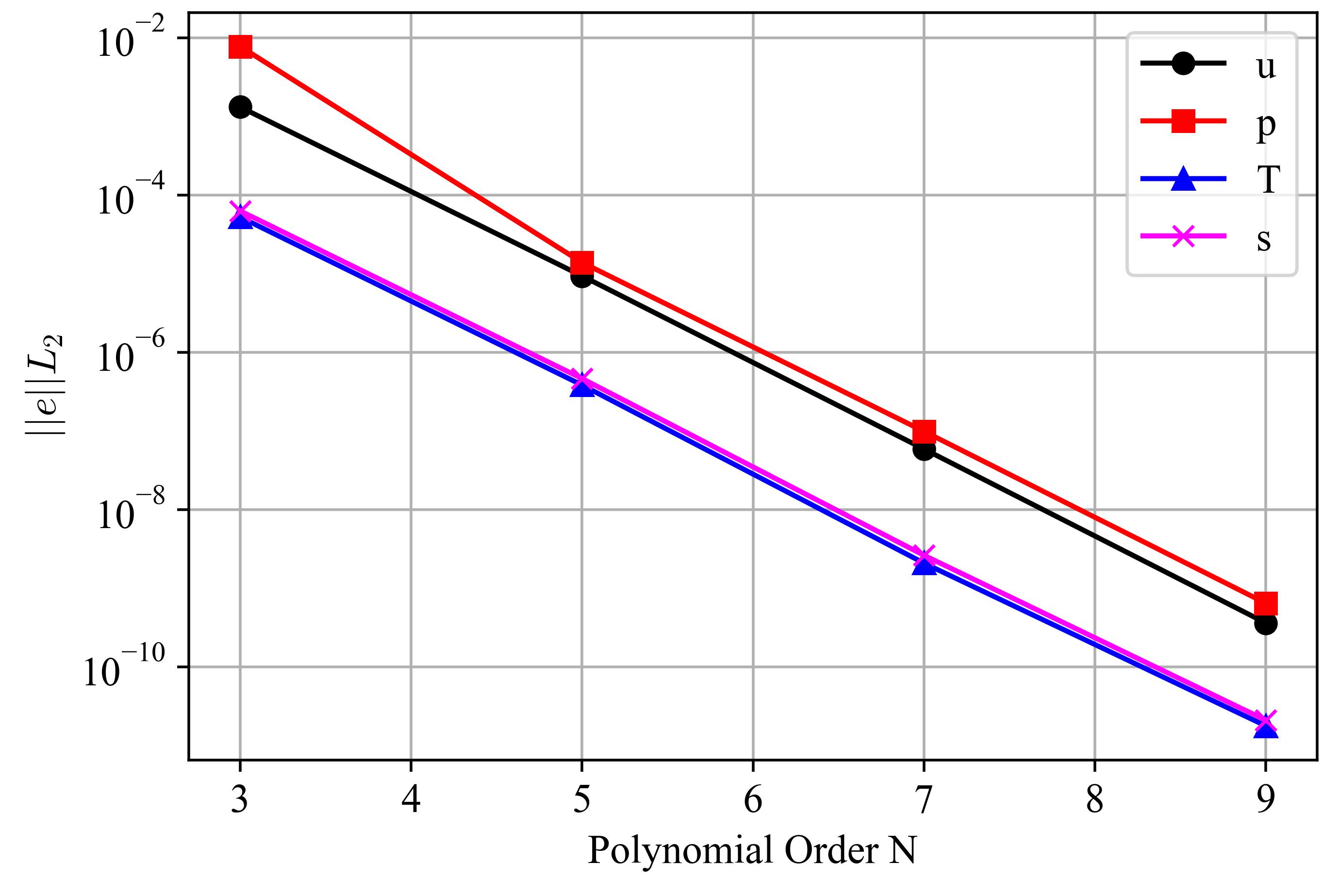
Figure 3: error norms for the ethier case using solver mode 4.
Mode 5
This solver mode verifies:
Moving-mesh formulation.
Block velocity solver.
Errors are evaluated at and are shown in Figure 4.
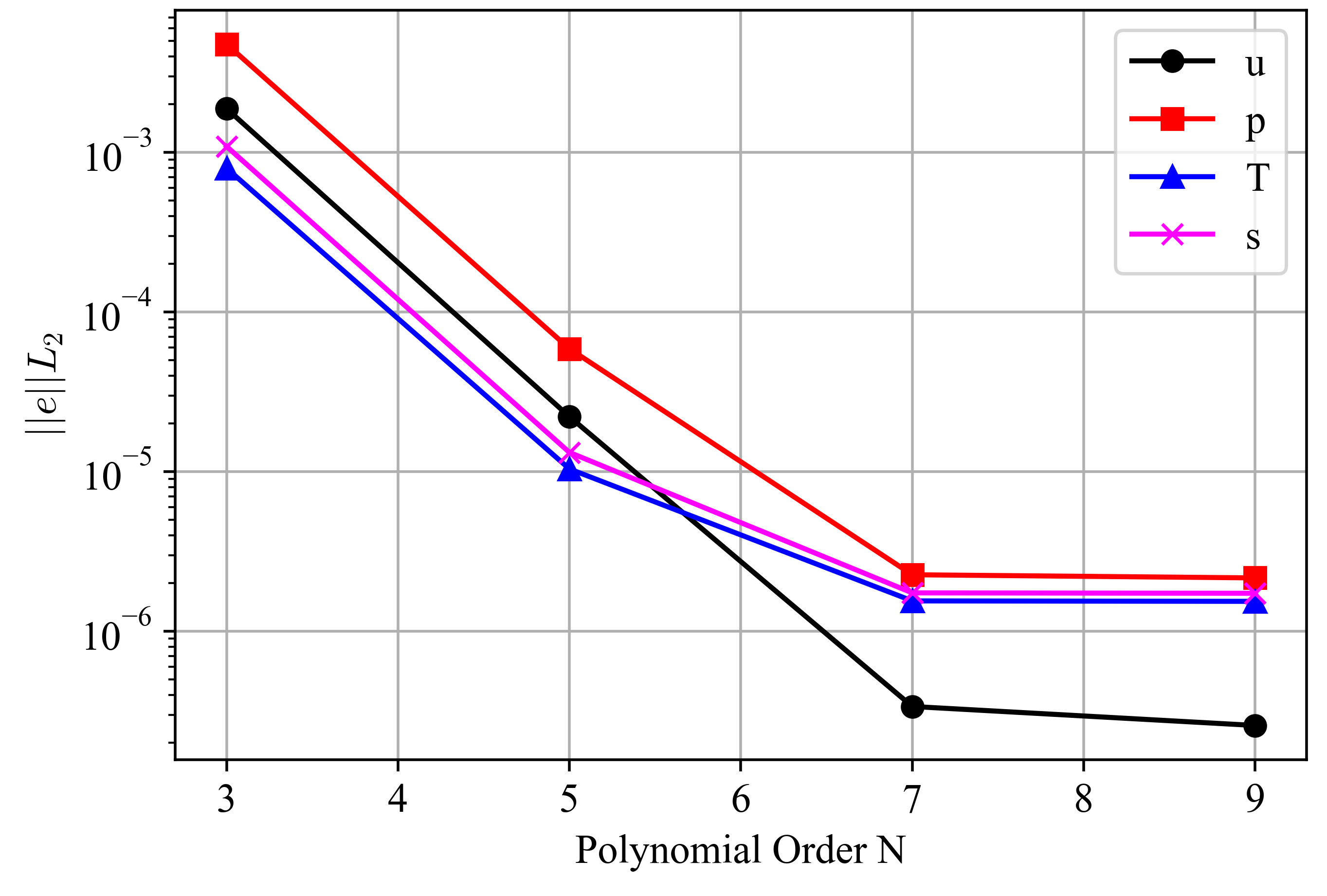
Figure 4: error norms for the ethier case using solver mode 5.
Mode 6
This solver mode verifies:
Moving-mesh formulation.
Block velocity solver.
Characteristic subcycling.
Errors are evaluated at and are shown in Figure 5.
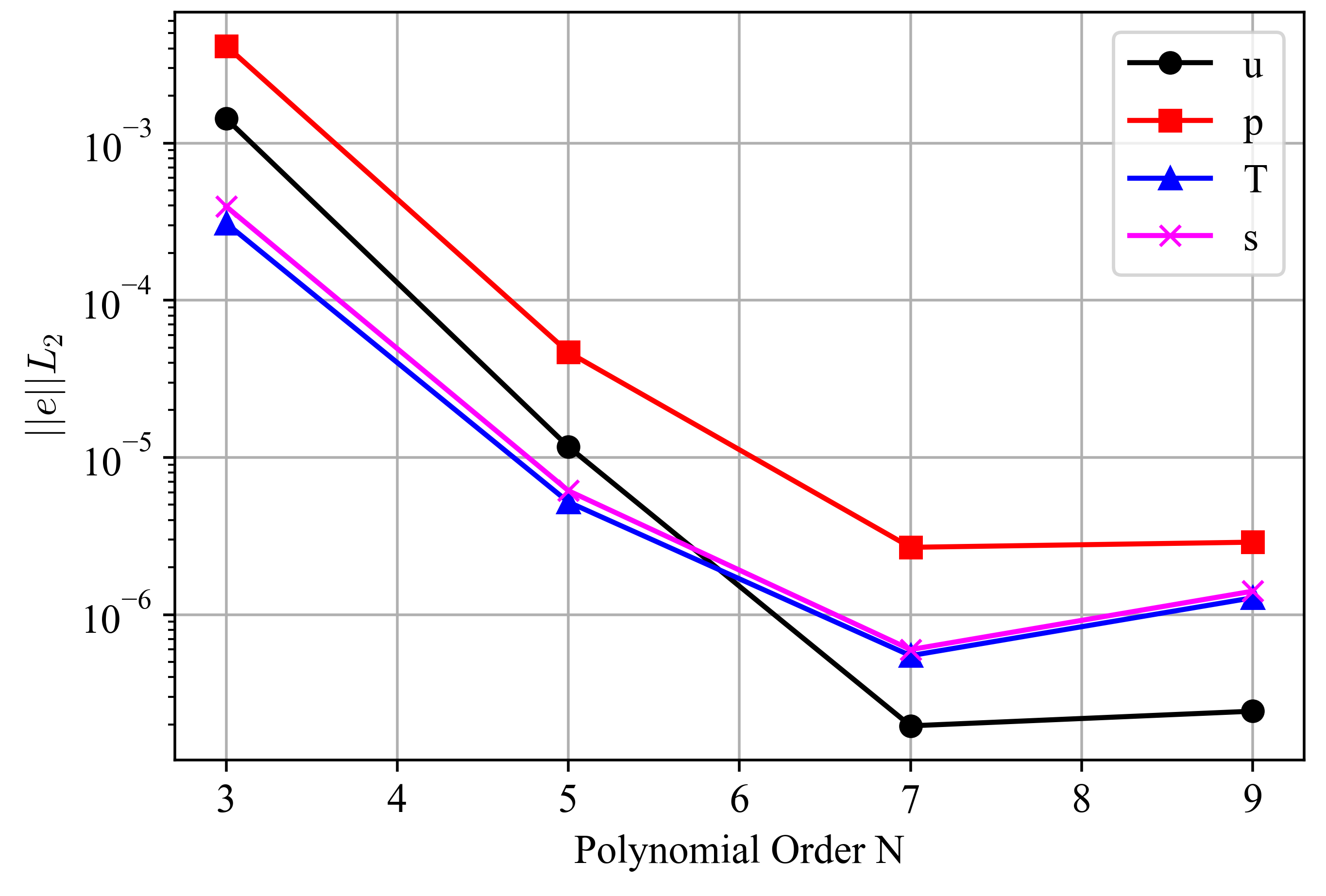
Figure 5: error norms for the ethier case using solver mode 6.
Mode 7
This solver mode verifies:
Velocity and pressure projection.
Jacobi pressure preconditioner.
Errors are evaluated at and are shown in Figure 6.
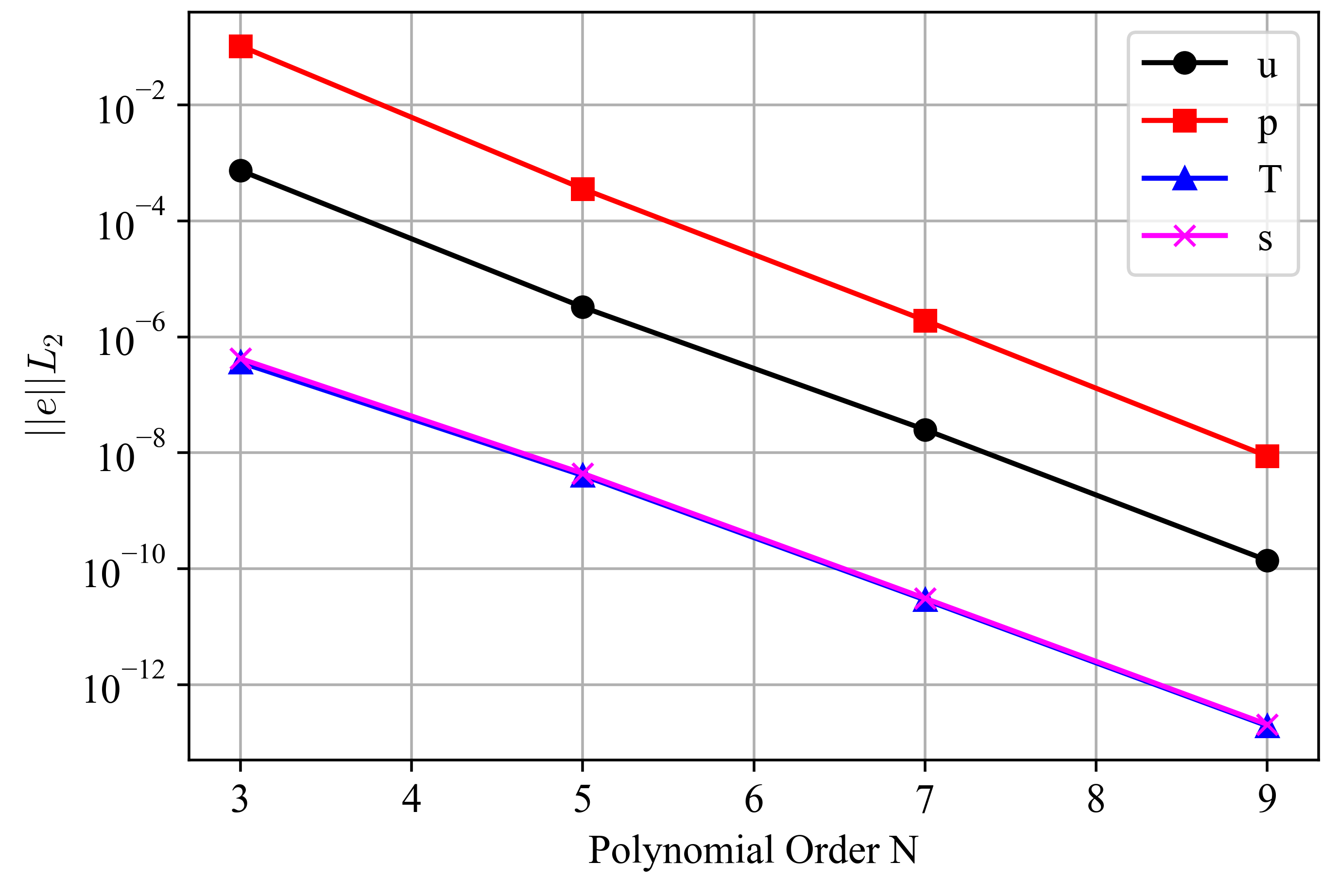
Figure 6: error norms for the ethier case using solver mode 7.
Mode 8
This solver mode verifies:
Pressure projection.
Adaptive time stepping.
Compliance of the final CFL number with its specified target.
The expected number of time steps.
Errors are evaluated at and are shown in Figure 7.
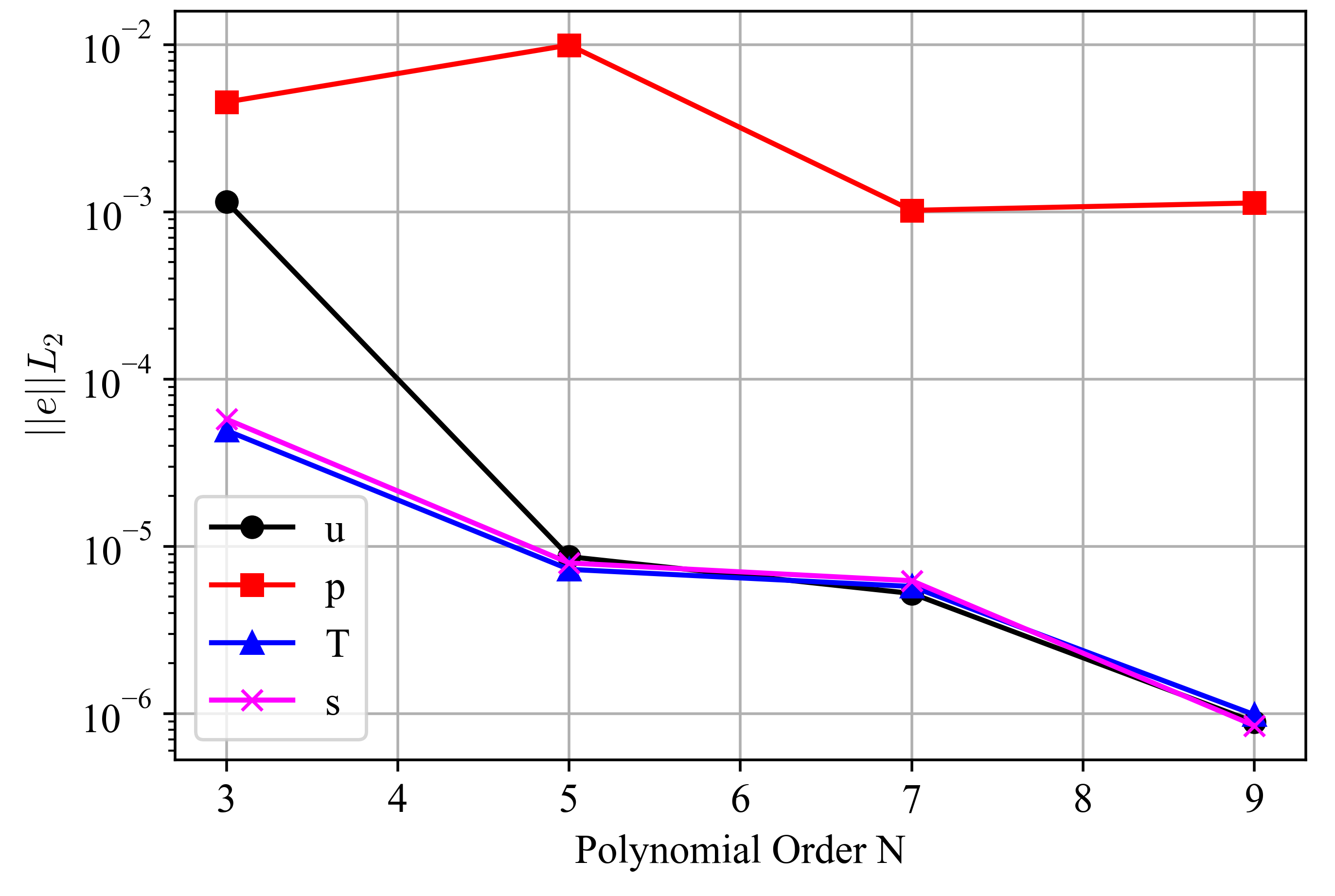
Figure 7: error norms for the ethier case using solver mode 8.
Mode 9
This solver mode verifies:
Convective advection formulation without dealiasing.
Block velocity solver.
Characteristic subcycling.
Velocity and pressure projection.
Errors are evaluated at and are shown in Figure 8.
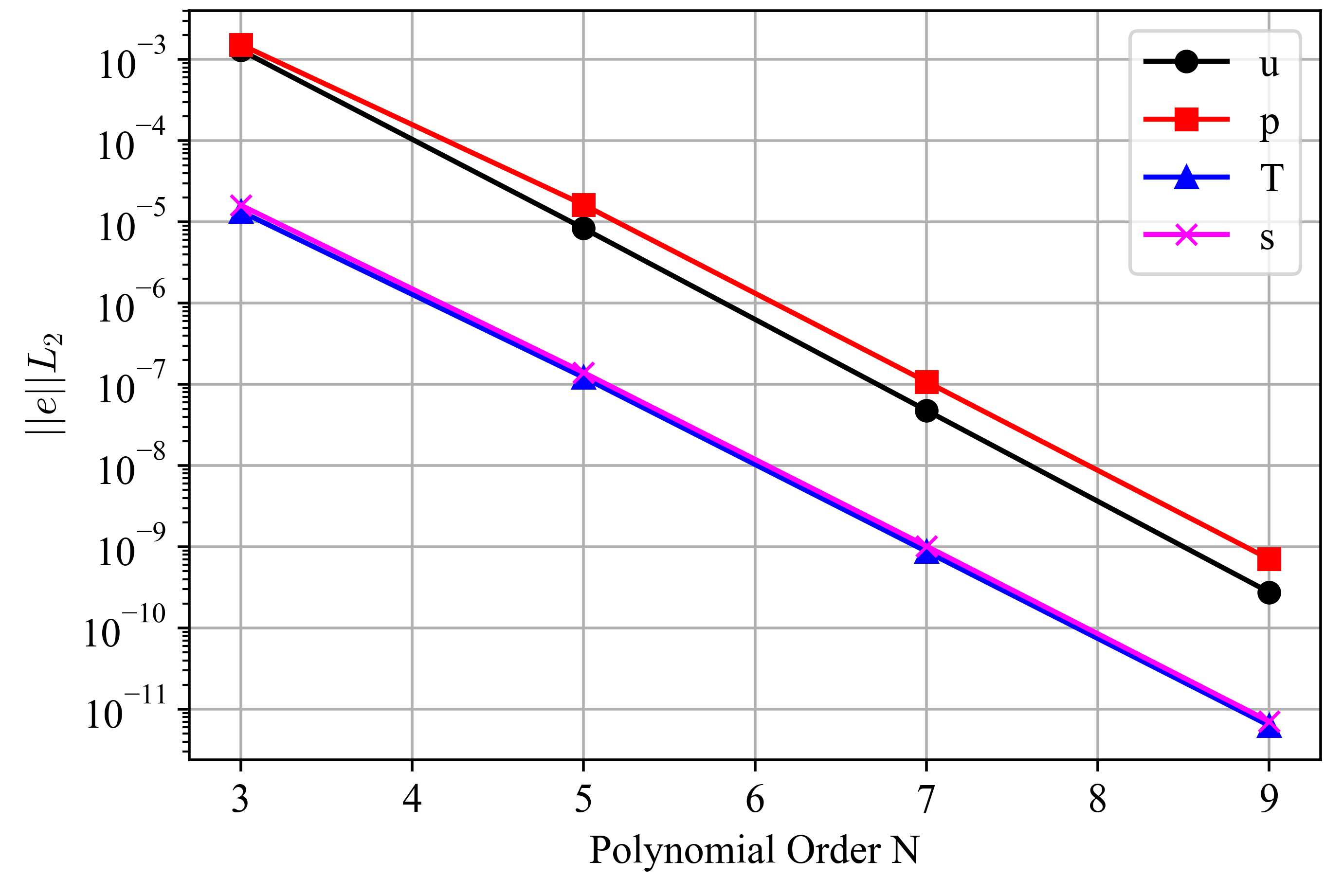
Figure 8: error norms for the ethier case using solver mode 9.
Mode 10
This solver mode verifies:
Convective advection formulation without dealiasing.
Block velocity solver.
Velocity and pressure projection.
Errors are evaluated at and are shown in Figure 9.
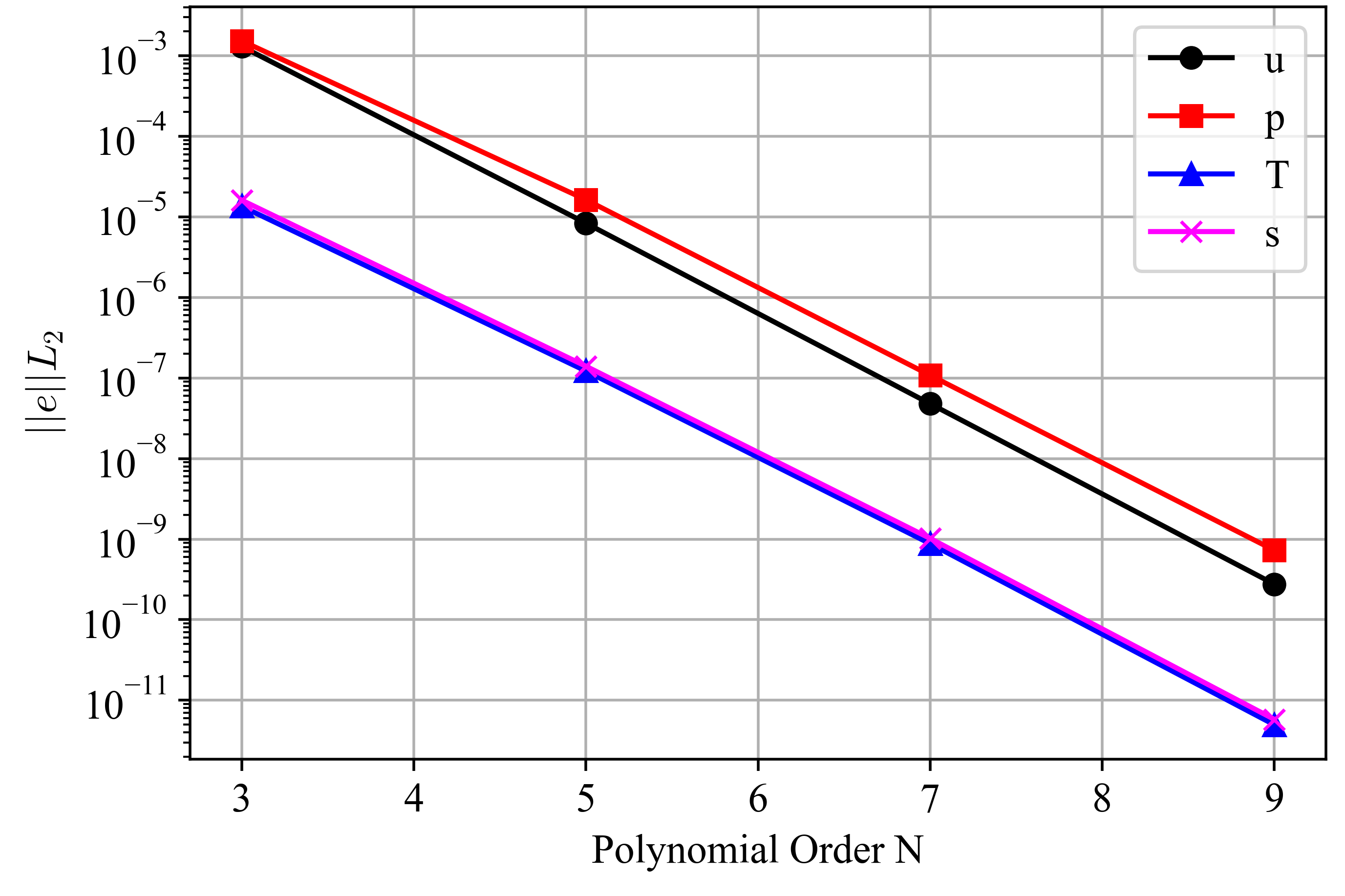
Figure 9: error norms for the ethier case using solver mode 10.
Mode 11
This solver mode verifies:
Chebyshev-accelerated damped-Jacobi pressure multigrid smoother.
Block velocity solver.
Characteristic subcycling.
Pressure projection.
Errors are evaluated at and are shown in Figure 10.
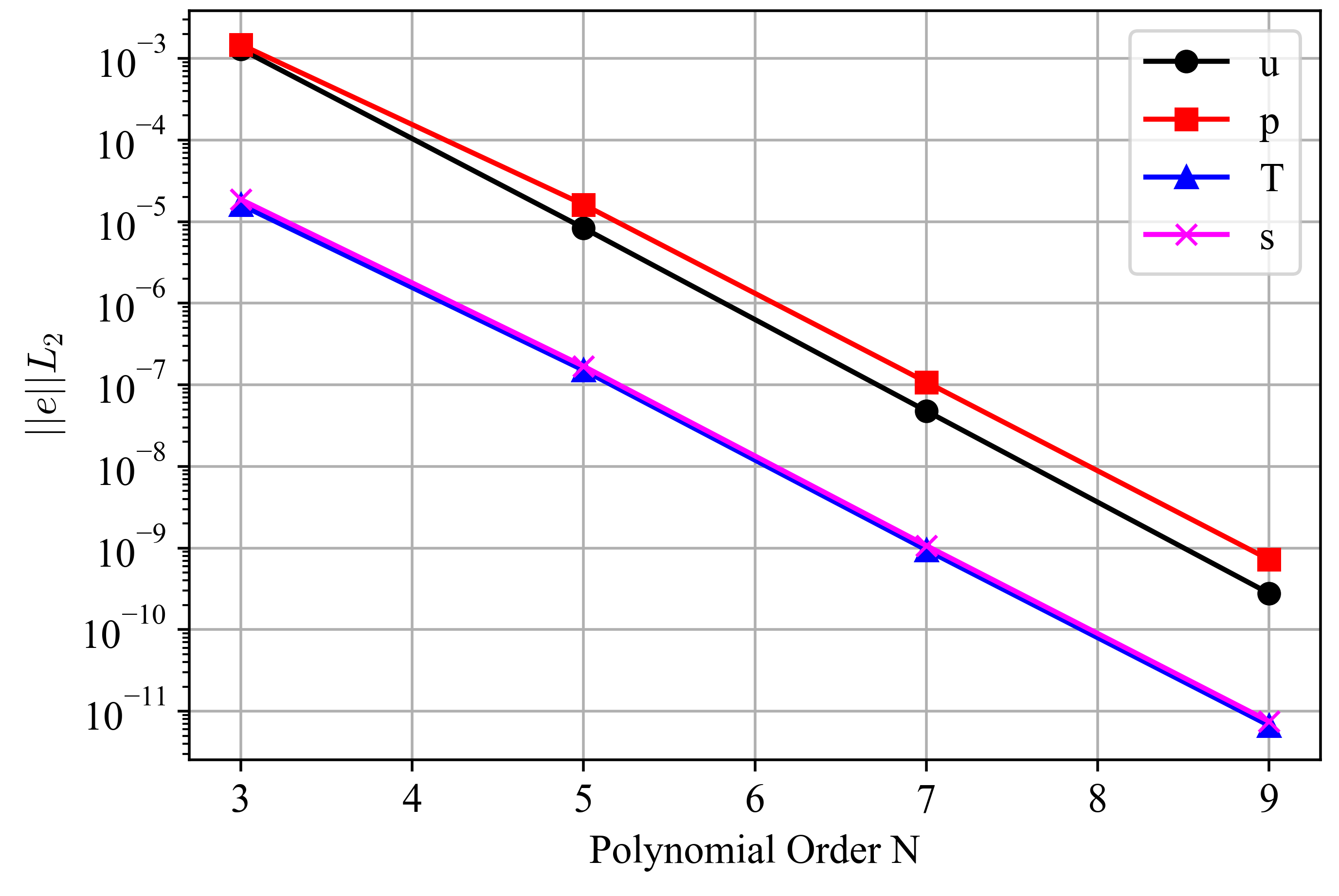
Figure 10: error norms for the ethier case using solver mode 11.
Mode 12
This solver mode verifies that passive scalar 0 is disabled while passive scalar 1 continues to be solved correctly. Errors are evaluated at and are shown in Figure 11.
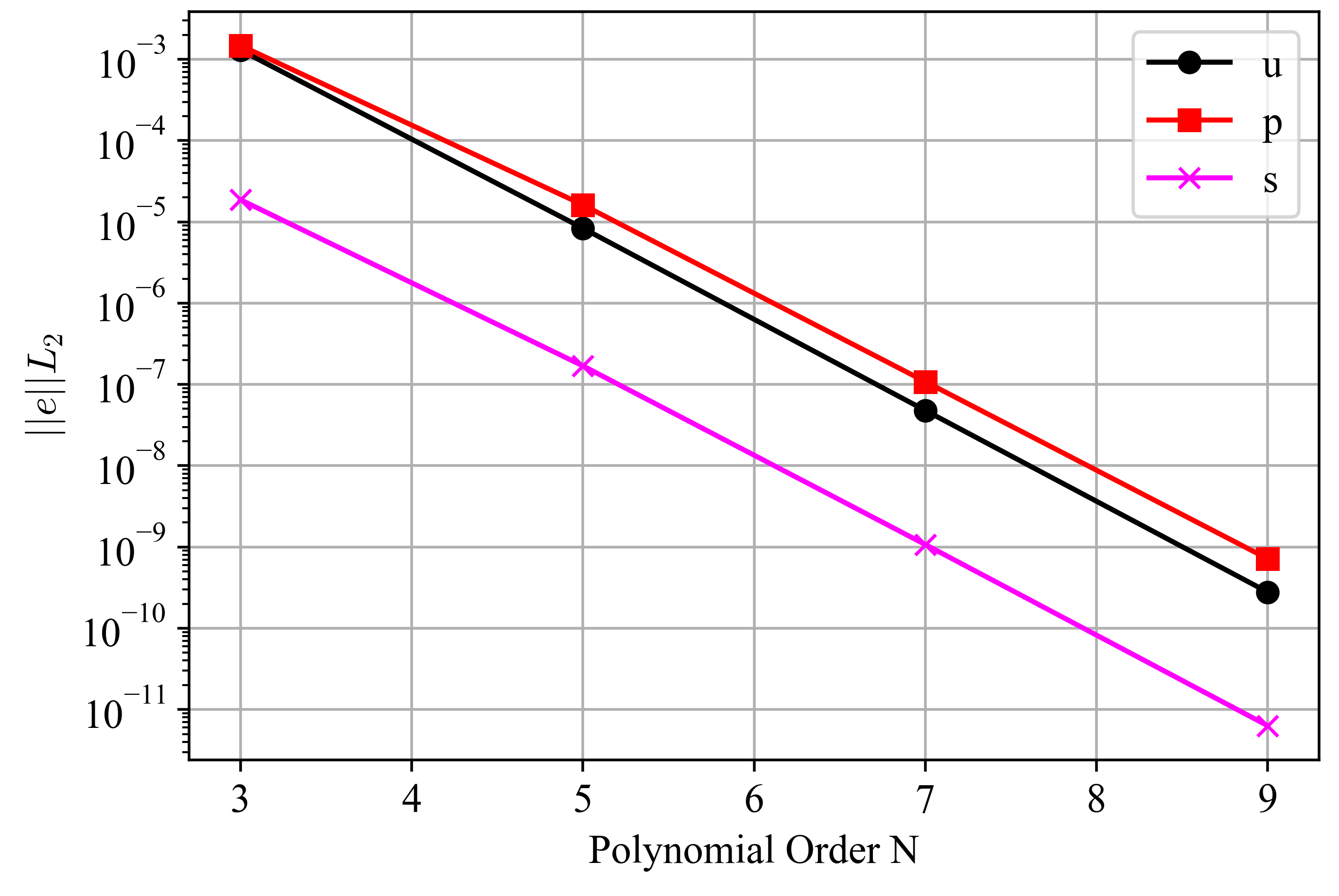
Figure 11: error norms for the ethier case using solver mode 12.
Mode 14
This solver mode verifies:
Additive overlapping Schwarz pressure multigrid smoother.
Block velocity solver.
Characteristic subcycling.
Pressure projection.
Errors are evaluated at and are shown in Figure 12.
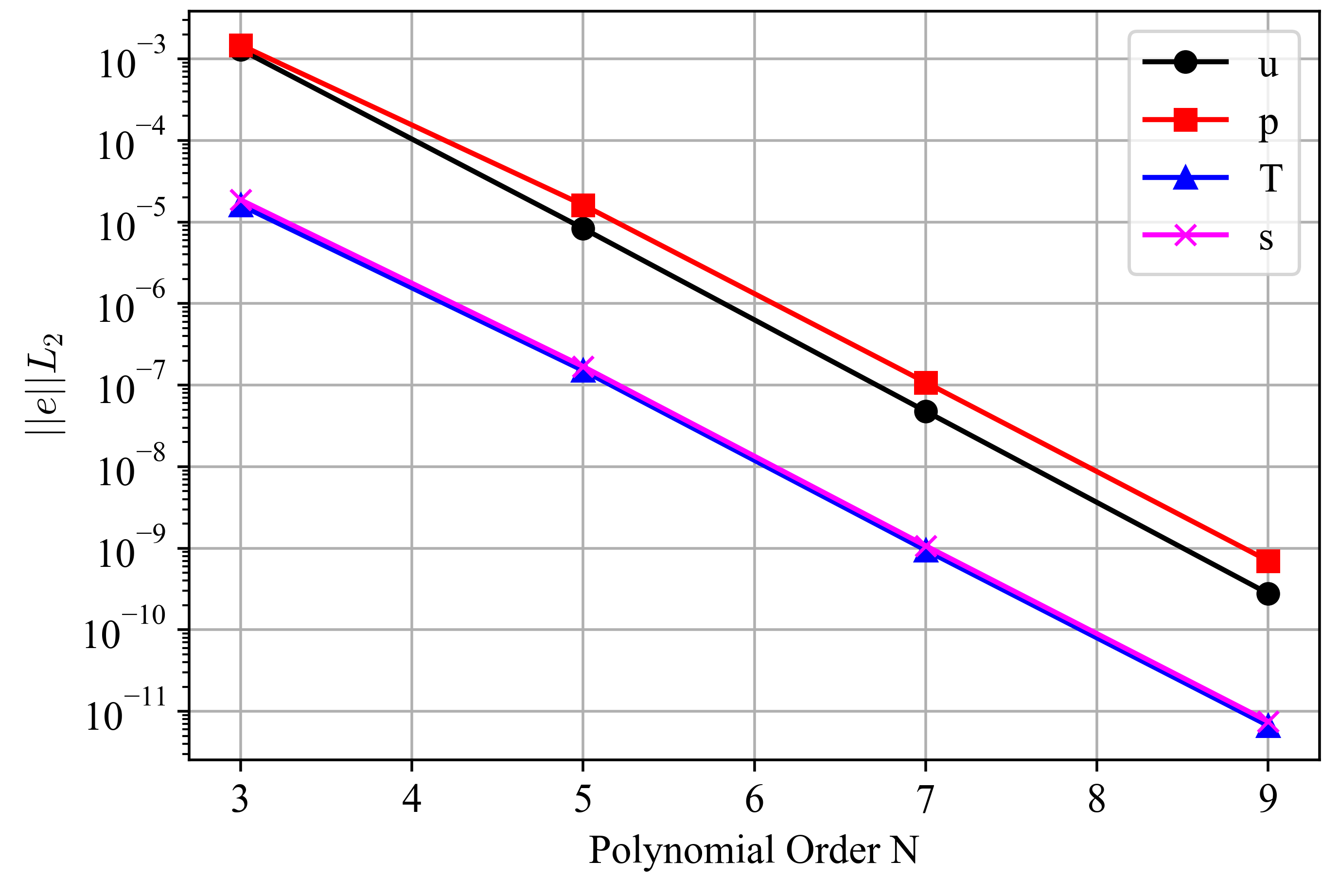
Figure 12: error norms for the ethier case using solver mode 14.
References
- C Ross Ethier and DA Steinman.
Exact fully 3d navier–stokes solutions for benchmarking.
International Journal for Numerical Methods in Fluids, 19(5):369–375, 1994.[Export]